
Published April 30, 2026 • MyPool • Minnesota pool care guide
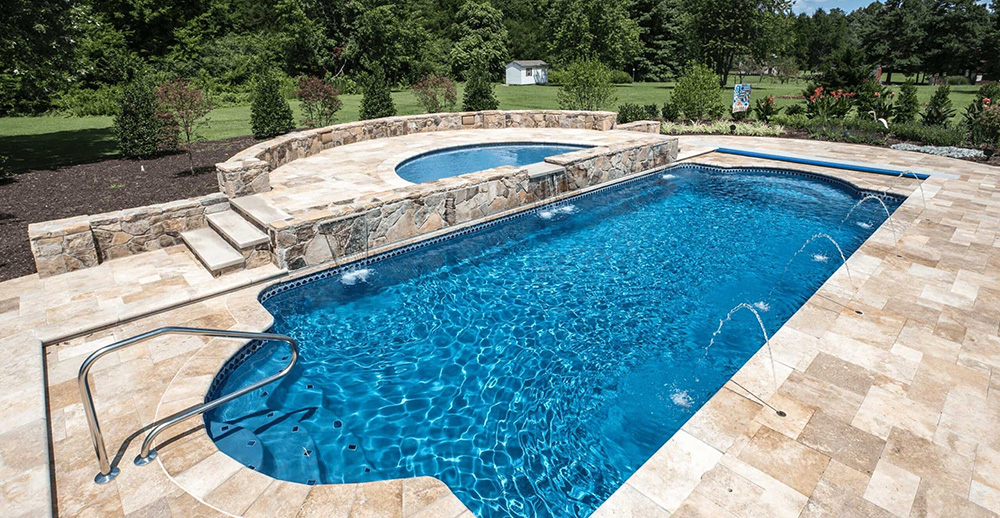
Most pools should stay between 2 and 4 ppm of chlorine.
That number is simple. Keeping the pool there is the part most homeowners fight.
Chlorine demand changes with pool size, sun, rain, water temperature, bather load, and how consistent you are week to week. If the pool drops too low for too long, that clear water can turn fast.
Here is the simple version of what most Minnesota pool owners need to understand.
Step 1: Know Your Pool Size
Everything starts with gallons.
Typical backyard pools in Minnesota often fall somewhere in these ranges:
- 15,000 gallons for a smaller pool
- 20,000 gallons for a very common 16x32 style pool
- 25,000 gallons or more for larger or deeper pools
If you do not know your gallons, you are guessing on chemicals. That is where problems start.
Step 2: What 2 to 4 ppm Actually Means
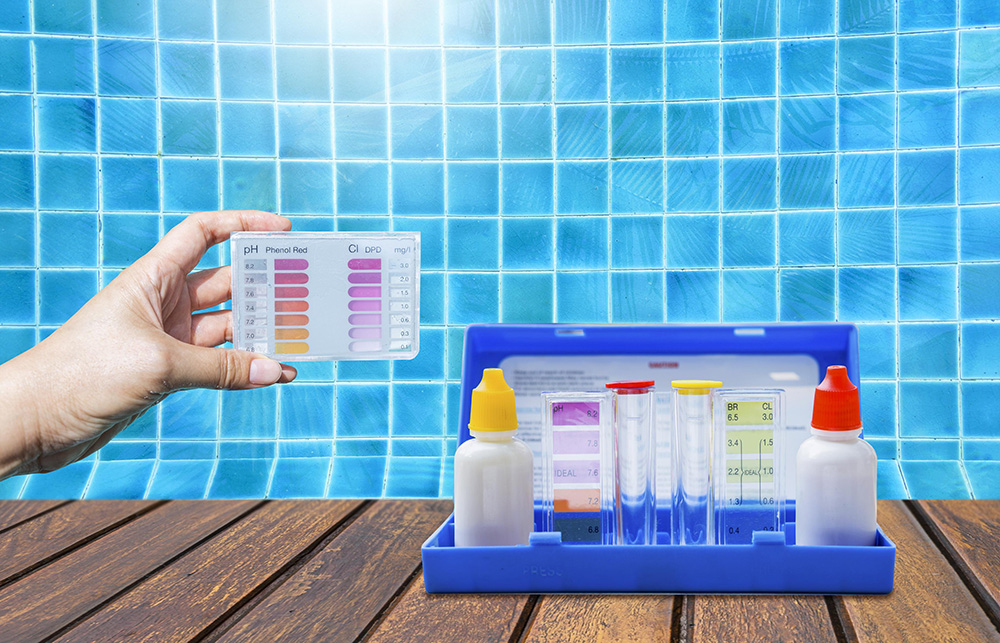
Chlorine is measured in parts per million, usually written as ppm.
- 2 to 4 ppm means the pool is in a healthy working range
- Below 2 ppm means algae risk starts going up
- Above 5 ppm is usually more than you need for normal swimming conditions
The goal is not to blast the pool once in a while. The goal is to stay consistent.
Step 3: How Chlorine Actually Works in Your Pool
Most pools rely on two basic chlorine sources.
Chlorine tablets
Tablets are your slow, steady feed. They help keep chlorine from dropping to zero between visits, especially when used in a feeder or floater.
Granular chlorine
Granular chlorine is your adjustment. It gives the pool a faster boost when demand is higher or when the water needs help staying in range.
In most real backyard pools, tablets alone are not enough. They are slow. They do not respond quickly when the pool gets hit with sun, rain, heavy use, or warm water.
The Biggest Mistakes Homeowners Make
Only using tablets
Tabs are helpful, but they are not magic. A pool can still run low on chlorine even when there are tablets in the feeder.
Waiting until there is a problem to shock
If you only add granular chlorine after the pool looks bad, you are already behind.
Skipping weeks
Pool care is boring until it is expensive. Missing a week or underdosing in hot weather can be enough to start the slide.
What Changes in Minnesota
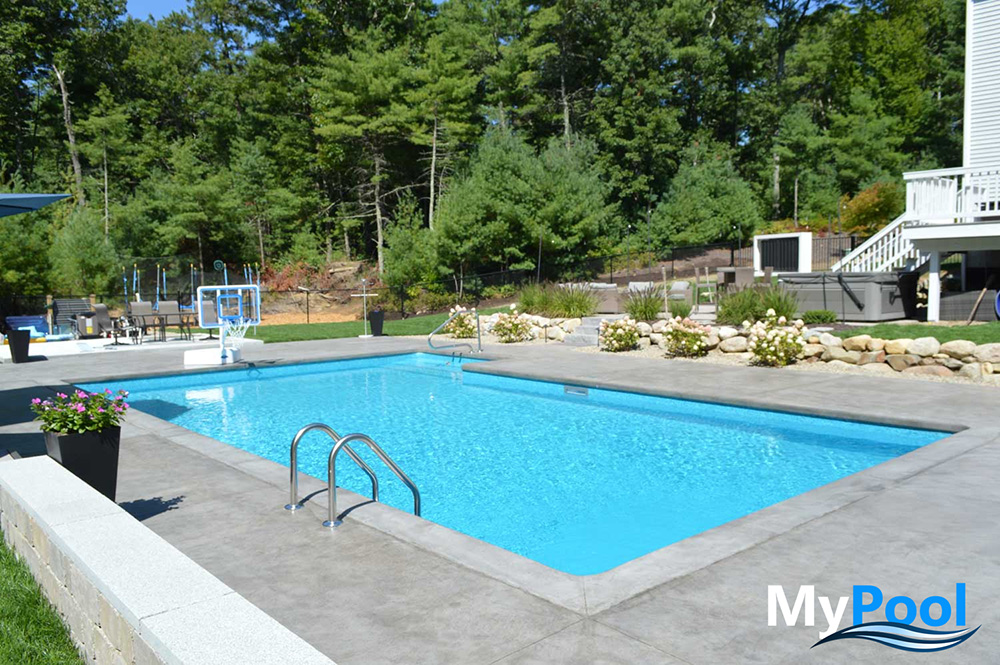
Minnesota pools do not have one perfect chlorine number that stays the same all season.
- Spring: colder water usually has lower chlorine demand
- Summer: hot sun and warm water use chlorine faster
- Rain: water gets diluted and contaminants get added
- Heavy swimming: more people means more chlorine demand
That is why weekly testing and adjustment matters. The pool you had in May is not the same pool you have in July.
A Simple Weekly Routine That Works
For most pools:
- Add 1 to 2 tablets weekly
- Add about 1 to 2 lbs of granular chlorine weekly, depending on pool gallons
- Test water once per week
- Adjust up if needed after heavy use, hot weather, or rain
Keep it simple. Stay consistent.
If Your Pool Turns Green
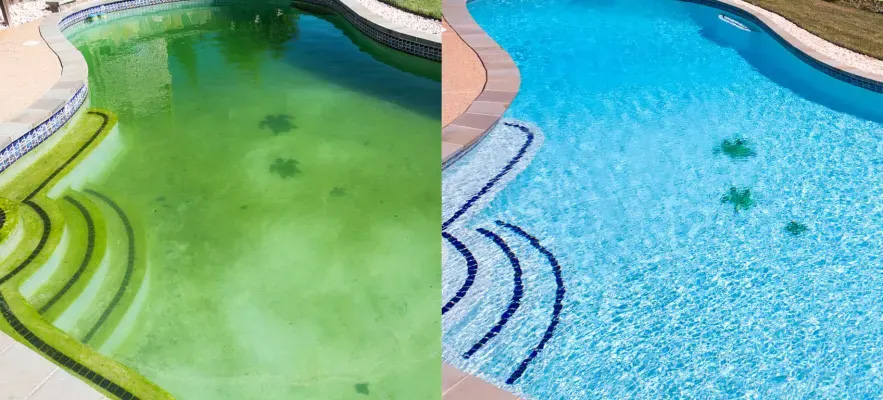
Green water usually means chlorine dropped too low and algae got ahead of you.
At that point, you are usually looking at:
- multiple pounds of shock
- brushing
- filter runtime
- retesting
- patience
It is almost always easier and cheaper to stay ahead of the water than it is to fix it after it turns.
If You Do Not Want to Deal With It
This is exactly why weekly pool care exists.
MyPool handles the testing, chemical adjustments, and week to week consistency that keep the water clear through the Minnesota pool season.
Need help keeping your pool clear?
Request MyPool Weekly Care and Openings, and we will help keep the water simple all season.
Request Weekly Care & Openings