
Published May 12, 2026 • MyPool • Minnesota pool leak guide
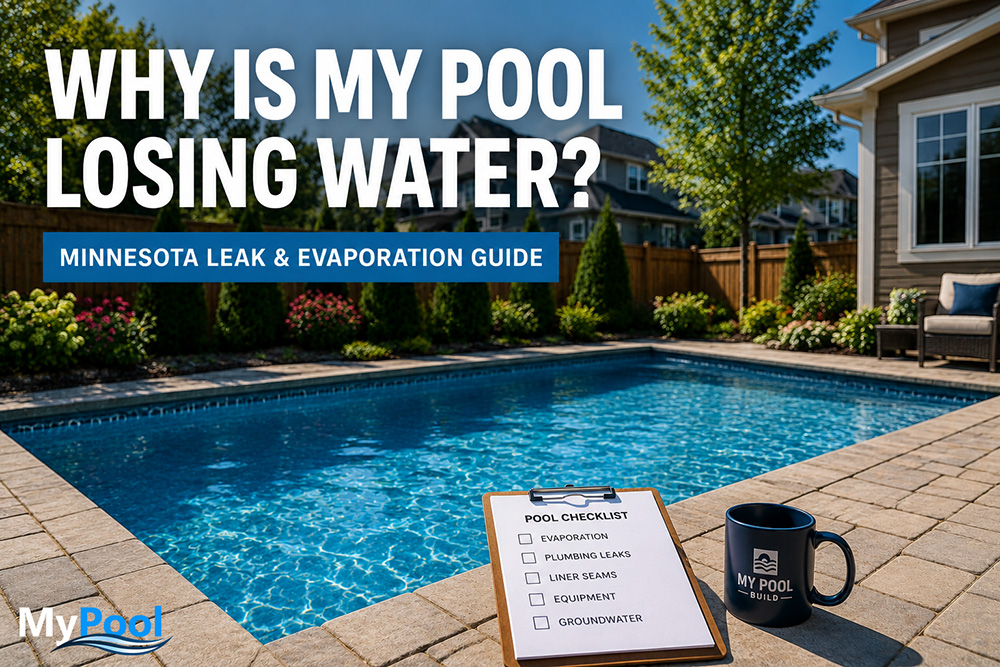
If your pool keeps losing water, do not assume the worst right away.
Some water loss is normal. Hot weather, wind, low humidity, splashing, and an uncovered pool can all drop the water level. But if the water keeps falling faster than expected, or you are constantly dragging the hose out, it is time to slow down and diagnose it correctly.
In Minnesota, pool water loss usually comes from one of four places: evaporation, equipment leaks, underground plumbing leaks, or a vinyl liner issue.
How Much Pool Water Loss Is Normal?
A Minnesota pool can lose water to evaporation, especially during warm, windy stretches or when the pool is heated and left uncovered. That does not automatically mean you have a leak.
But a pool that drops noticeably every day, falls below the skimmer, or needs frequent refilling deserves attention. A small leak can waste water, stress equipment, wash out soil, damage concrete or pavers, and turn into a much larger repair.
Start With the Bucket Test
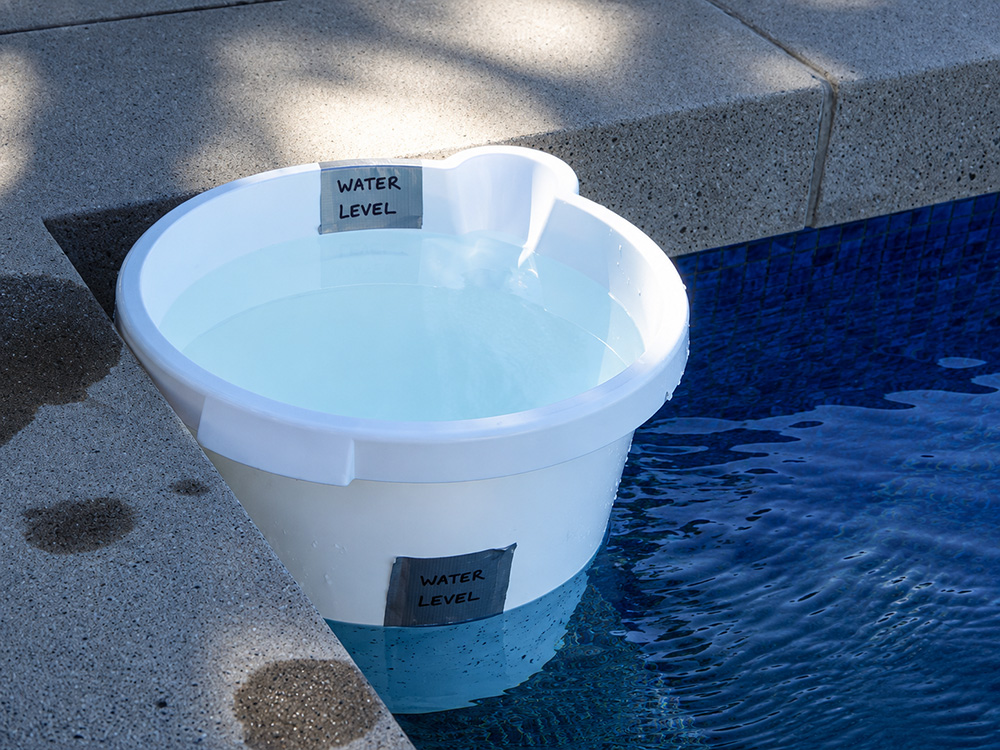
The bucket test is the easiest first step because it compares pool water loss to normal evaporation.
- Fill a bucket with pool water.
- Set it on a pool step or bench so the bucket water and pool water are close to the same temperature.
- Mark the water level inside the bucket.
- Mark the pool water level outside the bucket.
- Run the pool normally for 24 hours.
- Compare the two marks.
If the pool and bucket drop about the same amount, evaporation is likely. If the pool drops more than the bucket, you may have a leak.
Check the Equipment Pad Before Blaming the Liner
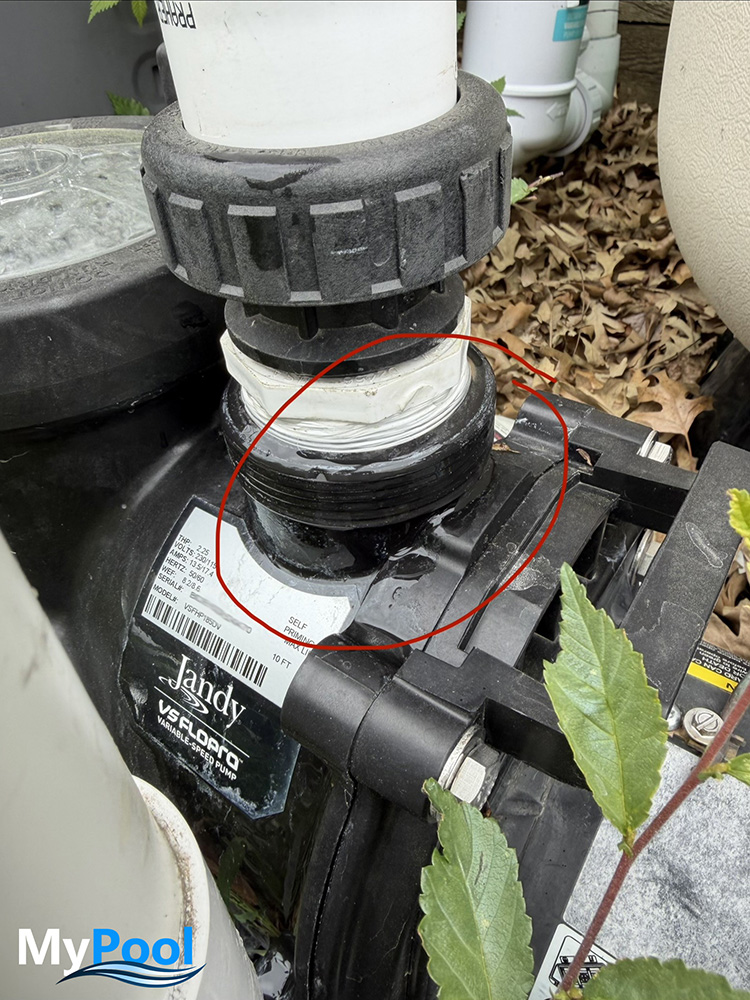
A lot of pool leaks are not in the pool shell at all. They are at the equipment pad.
Look around the pump, filter, heater, salt cell, valves, unions, and drain plugs. Small drips can add up, especially when the system runs for hours every day.
- Water under the pump
- Drips at threaded fittings
- Leaking pump lid or drain plugs
- Filter clamp leaks
- Multiport valve leaks
- Heater or salt cell plumbing leaks
Watch Where the Water Stops Dropping
If the water keeps dropping, the level where it stops can give you a clue.
- If it stops around the skimmer, check the skimmer faceplate, gasket, throat, and plumbing.
- If it stops around a return, check the return fitting, gasket, and line.
- If it keeps going below fittings, the issue may be a liner tear, floor issue, main drain line, or another lower leak point.
Do not let a vinyl liner pool drain too far. Low water can cause liner movement, wrinkles, shrinkage, or damage, especially if groundwater is involved.
Vinyl Liner Tears and Seam Issues
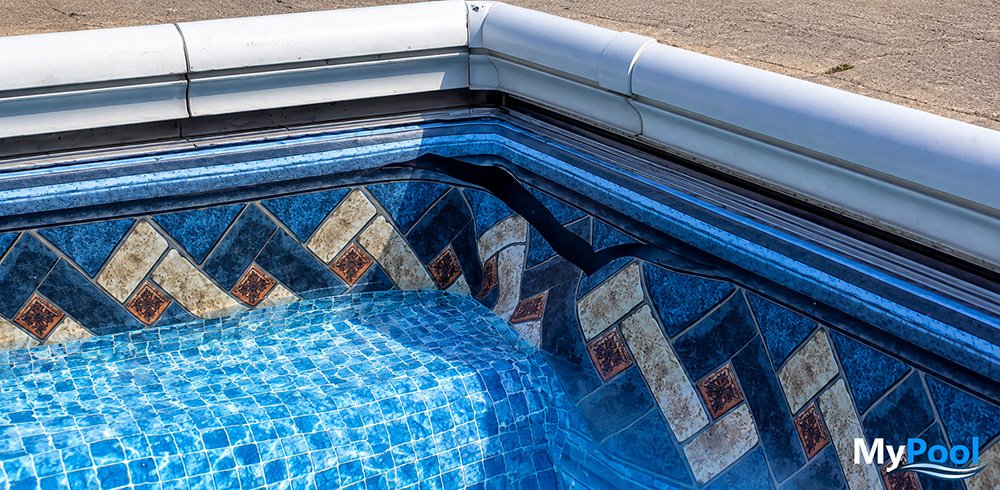
Vinyl liner pools are common in Minnesota, and a small puncture can cause steady water loss. Tears often show up near steps, corners, fittings, the waterline, or areas where the liner has stretched or aged.
Some liner leaks are tiny and hard to see. Others are obvious once the water is still and the area is inspected closely.
Dye Testing Can Help Pinpoint a Leak
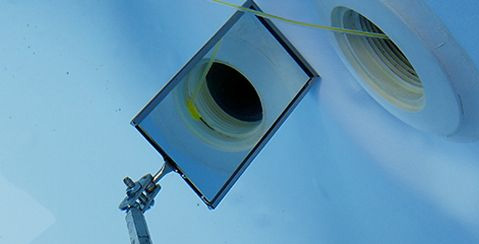
A dye test can help confirm whether water is being pulled into a suspected leak. It works best when the water is calm and the pump is off, depending on the area being tested.
Dye testing is useful around fittings, steps, lights, seams, and suspected liner damage. If the dye pulls toward one spot instead of floating still, that spot deserves a closer look.
Signs the Leak May Be Underground
Underground plumbing leaks can be harder to find. They may not show up as an obvious drip at the equipment pad.
- Soggy grass near the pool
- Soft soil or washout near the deck
- Air bubbles returning to the pool
- Pump losing prime
- Water loss only when the pump is running
- Water loss that changes depending on which valve is open
If the pool loses more water when the pump is running, pressure side plumbing could be involved. If the pump pulls air or struggles to prime, suction side plumbing may be involved.
Autocovers Change the Evaporation Story
An automatic pool cover can dramatically reduce evaporation. That is one reason Minnesota pool owners love them.
If a covered pool is still losing water quickly, evaporation is less likely to be the whole answer. That does not prove a major leak, but it does move leak diagnosis higher on the list.
For uncovered pools, wind and heat can make evaporation look scary. For covered pools, steady water loss is a stronger warning sign.
When to Call for Help
Call for help if the bucket test points to a leak, the pool keeps dropping below fittings, you see wet areas around the pool, the equipment pad is dripping, or the pump is pulling air.
The goal is not to panic. The goal is to find the right source before water loss creates a bigger problem.
Final Thoughts
A pool losing water is frustrating, but it is usually diagnosable. Start simple. Run the bucket test. Check the equipment pad. Watch where the water level stops. Look closely at fittings, steps, seams, and liner corners.
If the water loss keeps happening, do not keep refilling forever. Minnesota pools deal with short seasons, freeze and thaw, groundwater, and expensive backyard surfaces. Finding the leak early is almost always cheaper than waiting.
Need help finding a pool leak?
MyPool helps Minnesota homeowners diagnose pool water loss, equipment leaks, liner issues, and repair options.
Request Pool Leak Help